

Romantic relationships are often described as having “chemistry.” But what does that really mean? It turns out that chemistry plays a significant role in the formation, maintenance, and even dissolution of romantic relationships. This article explores the intricate relationship between chemistry and love, delving into the fascinating ways in which chemical processes influence our romantic experiences.
The Spark of Attraction: Neurotransmitters and Hormones at Play
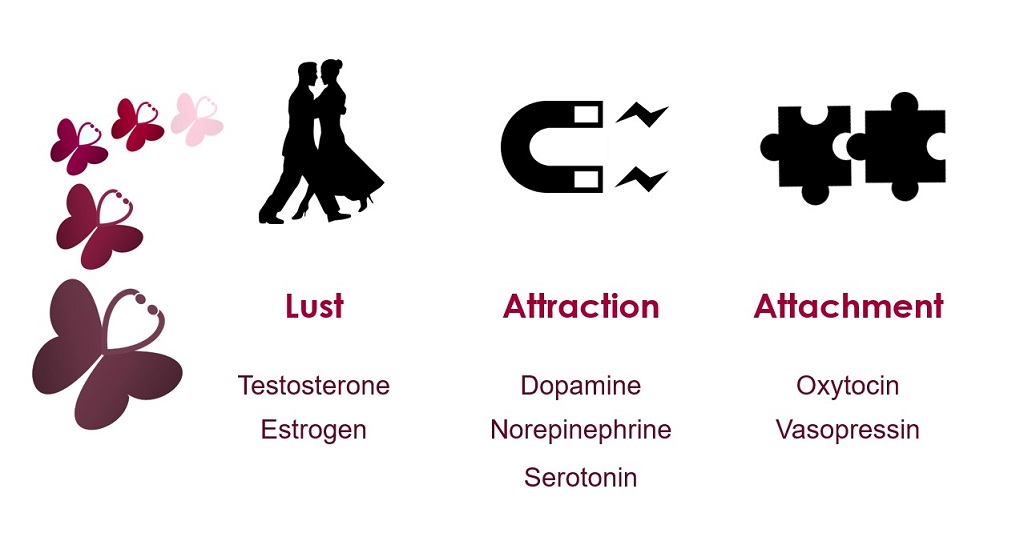
The initial attraction we feel towards someone is often described as a “spark.” This spark is largely fueled by a complex interplay of neurotransmitters and hormones.
- Dopamine: Often referred to as the “feel-good” neurotransmitter, dopamine plays a key role in the reward system of the brain. When we encounter someone we are attracted to, our brains release dopamine, creating a sense of pleasure and euphoria. This rush of dopamine reinforces our desire to be close to the person, contributing to the initial excitement and infatuation.
- Norepinephrine: This neurotransmitter is responsible for the increased heart rate, sweaty palms, and butterflies in the stomach that we often experience when we are around someone we are attracted to. Norepinephrine also plays a role in alertness and focus, making us more attentive to the object of our affection.
- Serotonin: This neurotransmitter helps regulate mood, appetite, and sleep. Low levels of serotonin have been linked to obsessive thoughts and behaviors, which may explain why we often find ourselves constantly thinking about the person we are attracted to in the early stages of a relationship.
- Oxytocin: Often referred to as the “love hormone,” oxytocin is released during physical contact, such as hugging and kissing. It promotes bonding and attachment, contributing to the sense of closeness and intimacy that develops as a relationship progresses.
- Endorphins: These natural painkillers are released during physical activity and can also be triggered by laughter and other pleasurable experiences. Endorphins create a sense of well-being and can contribute to the overall positive feelings associated with being in a romantic relationship.
The Role of Pheromones: Chemical Communication
Pheromones are chemical signals that are released by the body and can influence the behavior and physiology of others. While the role of pheromones in human attraction is still being debated, there is evidence to suggest that they may play a subtle role in mate selection. Some studies have shown that women are more attracted to the scent of men whose immune systems are different from their own. This may be an evolutionary adaptation to increase the genetic diversity of offspring, which can enhance their chances of survival.
The Science of Compatibility: Major Histocompatibility Complex (MHC)
The Major Histocompatibility Complex (MHC) is a group of genes that play a role in the immune system. Research has shown that people are more likely to be attracted to individuals with MHC genes that are different from their own. This may be another evolutionary adaptation to ensure healthy offspring. Interestingly, couples with dissimilar MHC genes have also been found to have more satisfying sex lives and are less likely to cheat on each other.
The Brain in Love: Neural Activity and Attachment
Functional magnetic resonance imaging (fMRI) studies have revealed that when people are shown pictures of their romantic partners, certain areas of their brains become activated. These areas are associated with reward, motivation, and emotion regulation. The activity in these areas is similar to the activity seen in people who are addicted to drugs, suggesting that love can be a powerful and addictive experience.
As a relationship progresses and attachment develops, the brain undergoes further changes. The levels of dopamine and norepinephrine decrease, while the levels of oxytocin and vasopressin increase. Vasopressin is a hormone that is involved in pair bonding and has been linked to long-term commitment and monogamy. These changes in brain chemistry reflect the shift from the initial passionate phase of love to a more stable and enduring form of love characterized by intimacy, trust, and commitment.
Read More also: Unlocking the Boundless Benefits of Rough and Tumble Play for Babies
The Chemistry of Heartbreak: The Aftermath of a Breakup
When a relationship ends, the brain and body go through a withdrawal process similar to that experienced by people who are trying to quit drugs. The levels of dopamine and oxytocin plummet, while the levels of stress hormones, such as cortisol, increase. This can lead to a range of physical and emotional symptoms, including depression, anxiety, insomnia, and loss of appetite.
The brain also undergoes changes in response to heartbreak. The activity in the areas associated with reward and motivation decreases, while the activity in the areas associated with pain and sadness increases. These changes can make it difficult to move on from a breakup and can contribute to the lingering feelings of sadness and loss.
Conclusion: Chemistry as the Foundation of Love
Chemistry is undeniably a crucial element in romantic relationships. From the initial spark of attraction to the development of long-term attachment, chemical processes play a significant role in shaping our romantic experiences. Understanding the chemistry of love can help us appreciate the complexities of human connection and navigate the ups and downs of romantic relationships with greater insight and compassion.
While chemistry is not the only factor that determines the success of a relationship, it provides the foundation upon which love can blossom. By nurturing the chemical bonds that connect us to our partners, we can create lasting and fulfilling relationships that enrich our lives in countless ways.
Remember, love is a complex and multifaceted experience that involves not only chemistry but also emotional, psychological, and social factors. However, recognizing the powerful role that chemistry plays in our romantic lives can help us cultivate deeper connections and build stronger, more resilient relationships.




Leave a Reply