

Open monitoring meditation (OMM) is a powerful mindfulness practice that invites practitioners to observe their thoughts, feelings, and sensations without judgment or attachment. This method focuses on cultivating a heightened awareness of one’s internal processes, fostering a profound understanding of the self. Unlike concentrated meditation that emphasizes focus on a single object or mantra, OMM encourages an open and fluid awareness of the present moment.
The ability to monitor one’s thoughts and feelings in real-time directly enhances metacognitive awareness. The understanding of one’s thinking patterns. Research from the Frontiers in Psychology journal demonstrates that OMM practices significantly improve emotional regulation and cognitive flexibility.
By exploring the depths of OMM, individuals can unlock hidden layers of self-awareness and mental clarity. It’s an invaluable tool for anyone seeking personal growth or trying to better navigate the complexities of modern life. If you’re ready to take your mindfulness journey to the next level, explore Myselfimprovementtoday for additional guidance and resources.
How Open Monitoring Meditation Enhances Metacognitive Awareness
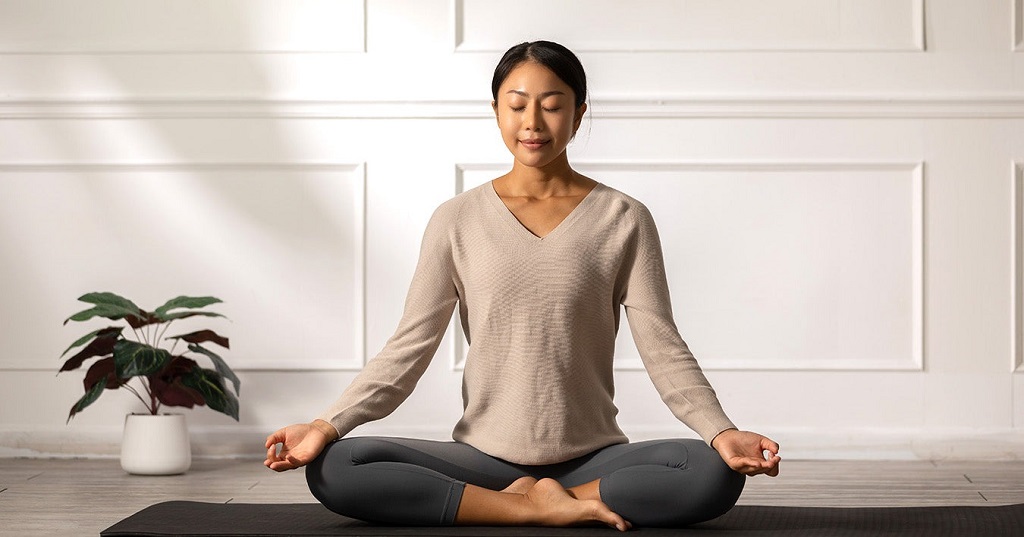
Metacognitive awareness is the ability to think about one’s own thinking, a skill central to decision-making, problem-solving, and emotional well-being. OMM works by sharpening this ability in three profound ways:
- Heightened Awareness of Mental Processes:
OMM helps practitioners become more attuned to their thought patterns, biases, and habitual reactions. A study published in Mindfulness revealed that regular practice of OMM enhances an individual’s ability to detect and analyze their automatic responses to stimuli, fostering greater self-understanding. - Reduction in Cognitive Rigidity:
Open monitoring decreases the tendency to cling to fixed beliefs or rigid thought patterns. This adaptability, often referred to as cognitive flexibility, is essential for tackling challenges in diverse environments. - Improved Emotional Intelligence:
OMM encourages practitioners to observe emotions without judgment, allowing for better recognition and regulation of feelings. Emotional intelligence, in turn, strengthens interpersonal relationships and resilience in stressful situations.
Practicing open monitoring meditation often stimulates the brain’s alpha and theta waves, which are linked to creativity, relaxation, and introspection. Experiencing colors during meditation might symbolize the unlocking of emotional or cognitive states previously hidden from conscious awareness. For more insights on this intriguing topic, visit seeing colours while meditating.
Read More Also: Creating a Sense of Flow With Floor Plants and Continuous Flooring
The Connection Between OMM and Mindfulness
Mindfulness is the cornerstone of OMM, but the latter offers an expanded perspective. While mindfulness focuses on being present, OMM takes it further by embracing the flow of awareness across multiple dimensions.
- Nonjudgmental Observation:
By observing thoughts without attachment, practitioners learn to dissociate from negative mental chatter, reducing stress and anxiety. - Enhanced Perspective-Taking:
OMM fosters a holistic view of situations, improving empathy and reducing impulsive behaviors.
A meta-analysis in Psychological Bulletin found that mindfulness-based practices like OMM significantly reduce symptoms of depression, anxiety, and stress across diverse populations.
Read More Also:
Practical Steps to Start Open Monitoring Meditation
If you’re new to OMM, here are simple steps to get started:
- Create a Quiet Space:
Find a comfortable and distraction-free environment to practice. - Adopt a Neutral Posture:
Sit in a relaxed yet upright position, ensuring your spine is aligned. - Focus on Breath Awareness:
Begin by paying attention to your natural breath. As thoughts arise, observe them without interference. - Expand Your Awareness:
Gradually extend your awareness to sensations, emotions, and external sounds, maintaining an open and nonjudgmental attitude. - Practice Regularly:
Consistency is key. Even 10 minutes a day can yield significant benefits over time.
Read More Also: Choosing Floor Materials That Minimize Fungus Gnat Breeding
FAQs
What is open monitoring meditation?
Open monitoring meditation is a mindfulness practice that emphasizes observing thoughts, sensations, and emotions without attachment or judgment, fostering metacognitive awareness.
How does open monitoring meditation enhance metacognitive awareness?
It improves the ability to monitor and evaluate one’s thinking patterns, promoting emotional regulation, cognitive flexibility, and greater self-awareness.
Can open monitoring meditation help with stress and anxiety?
Yes, OMM reduces stress and anxiety by encouraging nonjudgmental observation of thoughts and emotions, creating mental space for clarity and calmness.
Why do people experience seeing colors while meditating?
Seeing colors during meditation often results from increased brain activity and emotional processing. It may reflect a deeper engagement with subconscious states.
How is OMM different from focused attention meditation?
While focused attention meditation emphasizes concentration on a single object, OMM promotes a broad and fluid awareness of all internal and external experiences.
What are the benefits of practicing open monitoring meditation?
Benefits include enhanced emotional intelligence, better decision-making, improved mindfulness, reduced stress, and greater cognitive flexibility.
Conclusion
Open monitoring meditation is more than a mindfulness technique; it’s a gateway to profound personal transformation. By nurturing metacognitive awareness, practitioners gain a deeper understanding of their inner world, empowering them to navigate life with wisdom and balance. Whether you’re a beginner or an experienced meditator, embracing OMM can open new dimensions of clarity and self-growth.




Leave a Reply