
How the Spitfire Wheels + Bones Reds Bearings Bundle Boosts Your Setup
January 1, 2026
Babywearing Made Easy: Why Hip Seat Carriers Are a Game Changer
January 7, 2026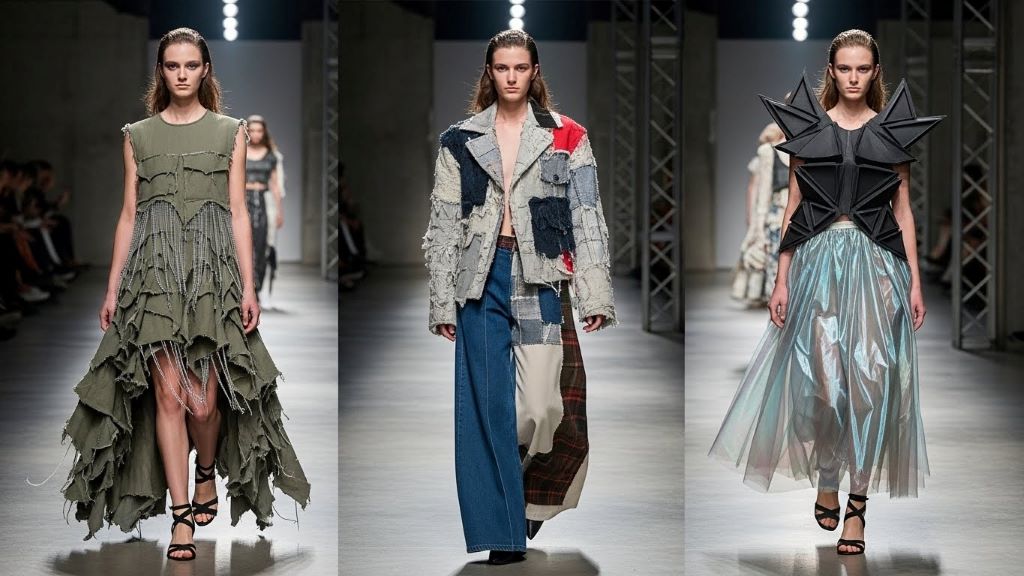
Avant garde fashion has transformed the way we think about clothing. This artistic movement pushes boundaries and challenges conventional style rules. Over the past four decades, designers have created pieces that blur the line between art and apparel. Understanding this evolution helps us appreciate modern fashion’s most daring expressions.
The Revolutionary 1980s: Breaking Traditional Boundaries
The 1980s marked a turning point for experimental fashion. Japanese designers entered the Western fashion scene with radical new ideas. Rei Kawakubo of Comme des Garçons and Yohji Yamamoto introduced asymmetrical silhouettes. Their designs featured predominantly black colors and deconstructed garments.
These designers rejected the body-conscious trends of mainstream 1980s fashion. Instead, they created loose, flowing pieces that challenged Western beauty standards. Their work emphasized concept over commerciality. Fashion critics initially called their collections “Hiroshima chic,” though this term was controversial and eventually abandoned.
Additionally, Belgian designers emerged as important voices. Martin Margiela founded his label in 1988. His work focused on deconstruction and repurposing existing garments. He often left seams exposed and turned clothing inside out. This approach questioned the very nature of fashion construction.
The 1990s: Institutionalization and Expansion
During the 1990s, avant garde fashion gained institutional recognition. Museums began hosting exhibitions dedicated to experimental design. The movement expanded beyond a small group of Japanese and Belgian designers.
Alexander McQueen brought British sensibility to avant garde fashion. His theatrical runway shows combined technical skill with shocking imagery. McQueen’s collections told stories and provoked emotional responses. His bumster trousers and razor clam shell shoes became iconic pieces.
Meanwhile, Hussein Chalayan explored the intersection of fashion and technology. He created dresses from materials like glass fiber and LED lights. One famous piece transformed from a coffee table into a skirt. These designs questioned what clothing could be and do.
Furthermore, the fashion industry began accepting avant garde aesthetics in commercial contexts. High street brands occasionally referenced experimental designs. However, true avant garde pieces remained largely unwearable for everyday life.
The 2000s: Digital Age and New Materials
The new millennium brought technological innovation to avant garde fashion. Designers experimented with unconventional materials and production methods. Digital design tools allowed for more complex pattern making.
Iris van Herpen emerged as a leader in this technological revolution. She collaborated with architects and scientists to create her collections. Her pieces incorporated 3D printing, laser cutting, and magnetic fields. Each garment looked like sculptural art.
Moreover, sustainability became an important consideration. Designers like Yeohlee Teng focused on zero-waste pattern cutting. This approach challenged the industry’s wasteful practices. Avant garde fashion began addressing environmental concerns through innovative design solutions.
The internet changed how people accessed avant garde fashion. Online platforms allowed niche designers to reach global audiences. Fashion blogs and early social media helped spread images of experimental runway shows. This democratization brought avant garde concepts to wider audiences.
The 2010s: Gender Fluidity and Social Commentary
The 2010s saw avant garde fashion embrace social and political themes. Designers used their collections to comment on contemporary issues. Gender-neutral clothing became increasingly prominent.
Thom Browne challenged masculine dress codes with his tailoring. His shows featured exaggerated proportions and unexpected fabric combinations. Models wore suits with skirts, questioning traditional menswear conventions. This work contributed to broader conversations about gender expression.
Additionally, designers from diverse backgrounds gained recognition. Pyer Moss, founded by Kerby Jean-Raymond, used fashion to address racial justice. His collections told stories about African American history and culture. This demonstrated how avant garde fashion could carry important messages.
According to Vogue, the 2010s also saw established luxury brands hiring avant garde designers as creative directors. This brought experimental aesthetics to commercial fashion houses. However, tensions sometimes arose between artistic vision and business demands.
Social media platforms like Instagram transformed fashion communication. Designers could share their work directly with audiences. Viral moments from avant garde shows reached millions of people. This visibility helped normalize previously shocking designs.
The Present Day: Sustainability and Digital Innovation
Contemporary avant garde fashion addresses urgent global challenges. Climate change and digital transformation shape current design approaches. Designers balance artistic expression with environmental responsibility.
Sustainability has moved from niche concern to central focus. Many avant garde designers now use recycled materials or biodegradable fabrics. Digital fashion has emerged as a completely new category. Some designers create garments that exist only in virtual spaces.
Marine Serre exemplifies this contemporary approach. Her collections combine upcycled materials with futuristic aesthetics. The crescent moon motif appears throughout her work. She addresses environmental crisis while maintaining strong visual identity.
Furthermore, the pandemic accelerated digital fashion adoption. Virtual runway shows became standard practice. Some designers created digital-only collections for avatars and social media. This raises questions about fashion’s physical versus digital future.
Fashion industry experts at Business of Fashion note that avant garde designers increasingly collaborate across disciplines. Partnerships with gaming companies, musicians, and visual artists create new possibilities. These collaborations expand fashion’s cultural influence.
Key Characteristics of Avant Garde Fashion
Several elements consistently appear in avant garde design. Understanding these helps identify experimental fashion.
Deconstruction remains fundamental to the movement. Designers take apart traditional garment construction and rebuild it differently. Seams might appear on the outside. Sleeves might attach at unusual angles. This challenges our expectations of how clothes should look.
Exaggerated proportions create dramatic silhouettes. Sleeves might extend far beyond hands. Shoulders might reach impossible widths. These proportions make the body look different and question ideal body shapes.
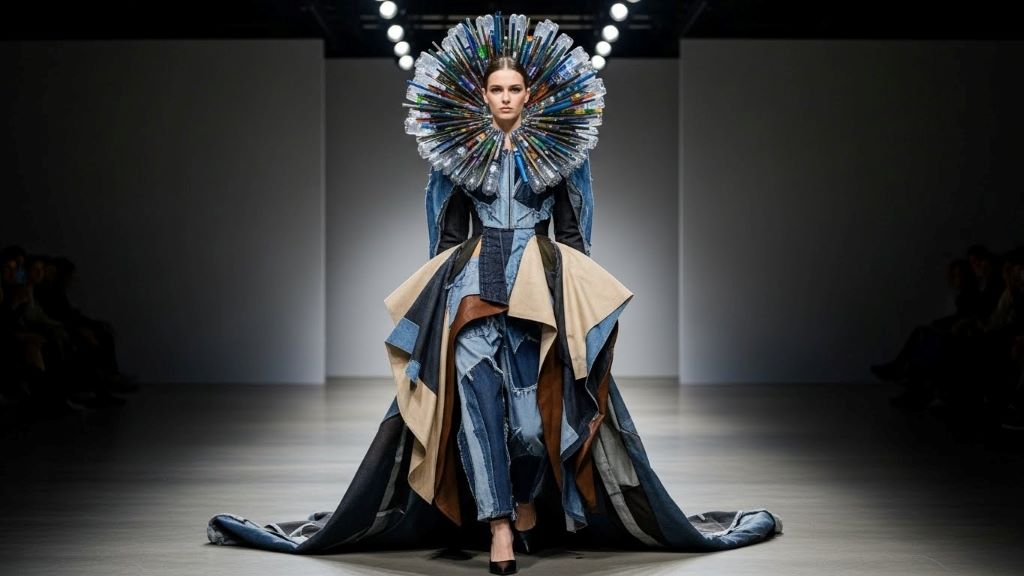
Unconventional materials push boundaries of what clothes can be. Designers use plastic, metal, paper, and other non-textile materials. Some create fabric from unexpected sources like mushrooms or bacteria. These choices challenge our definition of clothing materials.
Conceptual storytelling distinguishes avant garde from merely unusual fashion. Each collection usually explores specific ideas or themes. The clothing serves as a vehicle for expressing these concepts. Therefore, understanding the designer’s intent enhances appreciation of the work.
Influence on Mainstream Fashion
Avant garde fashion influences everyday style more than many realize. Ideas that seem shocking on runways eventually appear in accessible forms. This trickle-down effect shapes how everyone dresses.
Oversized silhouettes, now common in streetwear, originated in avant garde collections. The popularity of sneakers with formal wear reflects avant garde boundary-breaking. Even fast fashion retailers reference experimental designs in their collections.
However, this mainstream adoption often strips away the original concept. A deconstructed garment becomes merely distressed denim. The deeper meaning gets lost in translation. This raises questions about commercialization versus artistic integrity.
The Future of Avant Garde Fashion
Looking ahead, several trends will likely shape avant garde fashion’s evolution. Technology will play an increasingly important role. Artificial intelligence might help designers create new patterns and forms. Biotechnology could produce living fabrics that grow and change.
Virtual reality and augmented reality offer new spaces for fashion expression. Designers might create collections specifically for digital environments. The boundary between physical and digital fashion will continue blurring.
Additionally, sustainability will remain crucial. Avant garde designers will develop innovative solutions to fashion’s environmental impact. This might include new materials, production methods, or business models. The movement’s experimental nature positions it well for this challenge.
Cultural diversity will expand further. Designers from previously underrepresented regions will gain platforms. Their perspectives will enrich the movement with new aesthetic traditions and conceptual frameworks. This globalization will create exciting hybrid forms.
Conclusion
Avant garde fashion has evolved dramatically since the 1980s. From Japanese deconstructionism to digital innovations, the movement continuously reinvents itself. These experimental designers challenge our understanding of clothing and its purposes. Their work influences mainstream fashion while maintaining artistic integrity. Today’s avant garde designers address sustainability, technology, and social issues. They push boundaries while responding to global challenges. Understanding this evolution helps us appreciate fashion as art and cultural commentary. The movement’s future promises continued innovation and surprising developments.
Frequently Asked Questions
What does avant garde mean in fashion?
Avant garde fashion refers to experimental, innovative designs that push boundaries and challenge conventional style norms. These pieces often prioritize artistic expression over wearability and commercial appeal.
Who are the most influential avant garde fashion designers?
Key figures include Rei Kawakubo, Yohji Yamamoto, Martin Margiela, Alexander McQueen, Hussein Chalayan, Iris van Herpen, and contemporary designers like Marine Serre. Each brought unique perspectives to experimental fashion.
Is avant garde fashion wearable in everyday life?
Most avant garde pieces are designed for artistic expression rather than daily wear. However, elements from these collections often influence mainstream fashion in more accessible forms. Some designers create both experimental runway pieces and wearable commercial lines.
How has technology changed avant garde fashion?
Technology enabled new production methods like 3D printing and laser cutting. Digital tools allow complex pattern making. Virtual fashion creates garments that exist only online. These innovations expand what fashion can be and do.
Why is avant garde fashion important?
Avant garde fashion drives innovation throughout the industry. It challenges assumptions about clothing, beauty, and body image. These experimental designs often address important social and environmental issues. The movement pushes fashion forward as both art and cultural commentary.
Related Topics: