
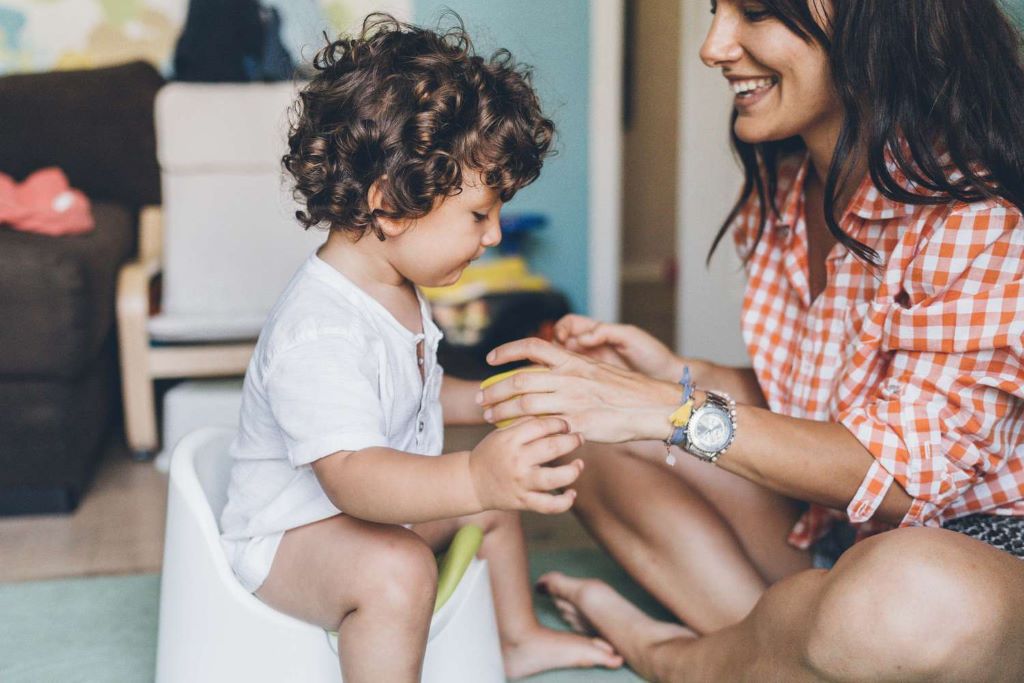
Potty training is a major milestone for both children and parents. It marks a transition from diapers to using the toilet, signifying a child’s growing independence. But when should a child be potty trained? While there’s no one-size-fits-all answer, understanding the signs of readiness and having the right approach can make all the difference.
The Age Debate: Is There an Ideal Time?
Traditionally, many parents aimed to potty train their children around the age of two. However, recent research suggests that children may be ready at different ages, and there’s no need to rush the process. Some children show signs of readiness as early as 18 months, while others may not be ready until they are three or older.
The American Academy of Pediatrics emphasizes that the focus should be on the child’s individual development rather than a specific age. Pushing a child to potty train before they are ready can lead to frustration and setbacks while waiting too long can make the transition more challenging.
Signs of Readiness: What to Look For
Rather than focusing solely on age, parents should pay attention to signs that their child is physically and emotionally ready for potty training. These signs include:
- Physical Readiness:
- Can your child walk and sit steadily on the potty?
- Can they pull their pants up and down?
- Do they stay dry for at least two hours at a time?
- Do they have regular bowel movements?
- Can they understand and follow simple instructions?
- Emotional Readiness:
- Does your child show interest in the potty or wearing underwear?
- Do they seem uncomfortable in a wet or soiled diaper?
- Can they communicate their need to go to the bathroom, even if it’s through gestures or sounds?
- Are they generally cooperative and willing to try new things?
When Should a Child Be Potty Trained: The Importance of Timing – Choosing the Right Moment
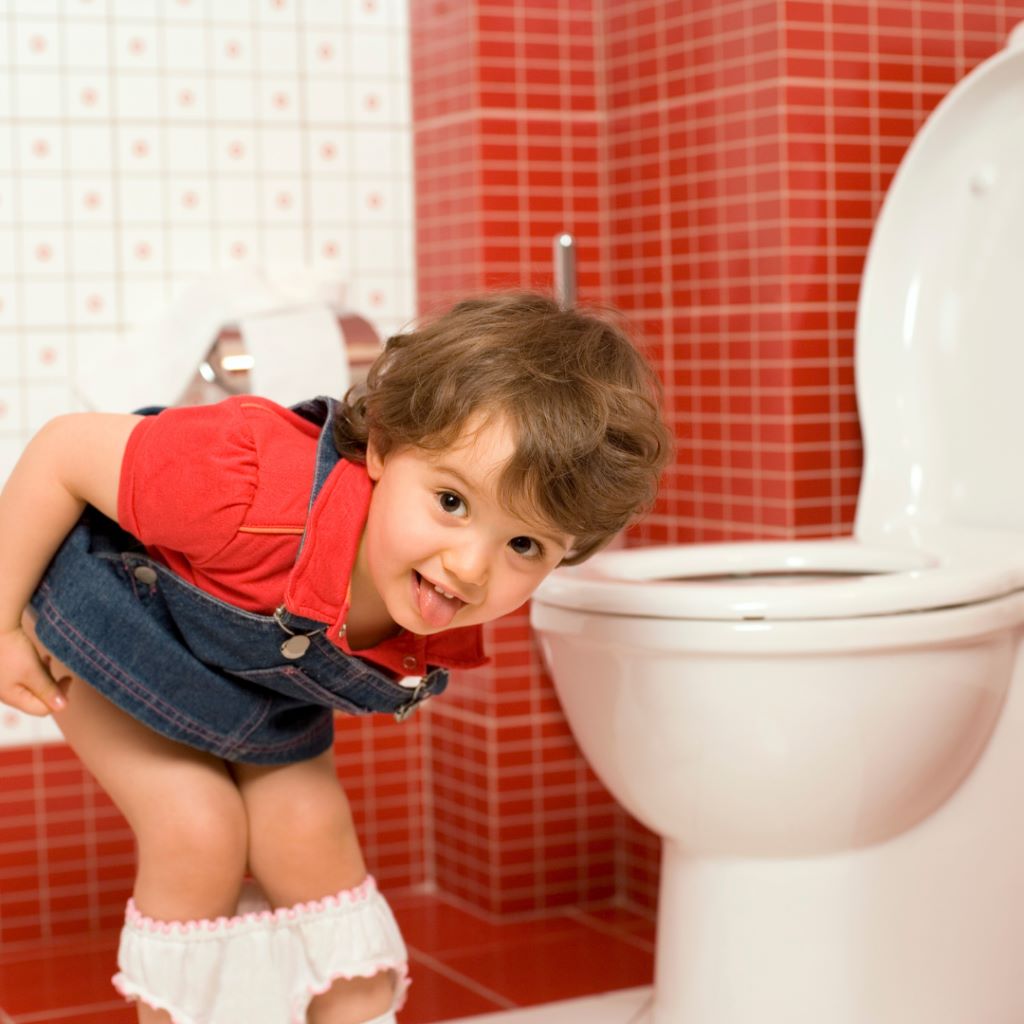
Even if your child shows signs of readiness, it’s essential to consider the timing. Major life events, such as the arrival of a new sibling, moving to a new house, or starting daycare, can be stressful for children and make potty training more difficult. It’s best to wait until things have settled down before embarking on this new adventure.
The Potty Training Process: A Step-by-Step Guide
Once you’ve determined that your child is ready and the timing is right, you can start the potty training process. Here are some general steps to follow:
- Introduce the Potty: Let your child get familiar with the potty by letting them sit on it fully clothed. Explain what it’s for and how it works.
- Set a Routine: Encourage your child to sit on the potty at regular intervals, such as after meals or before naps.
- Use Positive Reinforcement: Praise your child for their efforts, even if they don’t succeed. Avoid punishment or scolding for accidents, as this can create anxiety and make the process more difficult.
- Be Patient: Potty training takes time and patience. There will be accidents along the way. Stay calm and consistent, and your child will eventually get the hang of it.
- Make it Fun: Use books, songs, and games to make potty training enjoyable. Let your child choose their own potty seat or underwear to make them feel more involved in the process.
Nighttime Training: A Different Ballgame
Nighttime training typically takes longer than daytime training. It’s common for children to continue wearing diapers or pull-ups at night even after they are fully potty trained during the day. Don’t rush this process; let your child’s body develop the ability to hold their bladder overnight naturally.
When Should a Child Be Potty Trained: When to Seek Professional Help
If you’ve tried potty training for several months without success or if your child is experiencing significant anxiety or resistance, it may be helpful to seek professional guidance. A pediatrician or child psychologist can assess the situation and offer personalized advice and support.
Potty Training Tips: Making it Easier for Everyone
- Dress for Success: Choose loose-fitting clothes that are easy for your child to pull up and down. Avoid overalls or complicated outfits that can make bathroom trips frustrating.
- Stay Hydrated: Encourage your child to drink plenty of fluids to increase their need to go to the bathroom.
- Make the Bathroom Inviting: Keep a step stool handy so your child can reach the sink and toilet easily. Consider adding some fun decorations or books to make the bathroom a more pleasant place.
- Lead by Example: Let your child watch you use the toilet to demonstrate how it’s done.
- Be Flexible: Every child is different, and what works for one may not work for another. Be willing to adjust your approach as needed.
You Can Try it For a Better Night’s Sleep: How to create a Peaceful and Calm Bedroom for a Better Night’s Sleep
When Should a Child Be Potty Trained: Final Thoughts
Potty training is a journey, not a race. It’s about helping your child develop a new skill at their own pace. By recognizing the signs of readiness, choosing the right time, and using a positive and patient approach, you can make this transition a smooth and successful one for both you and your child. Remember, accidents are a normal part of the process, and with time and consistency, your child will achieve this important milestone.




Leave a Reply